

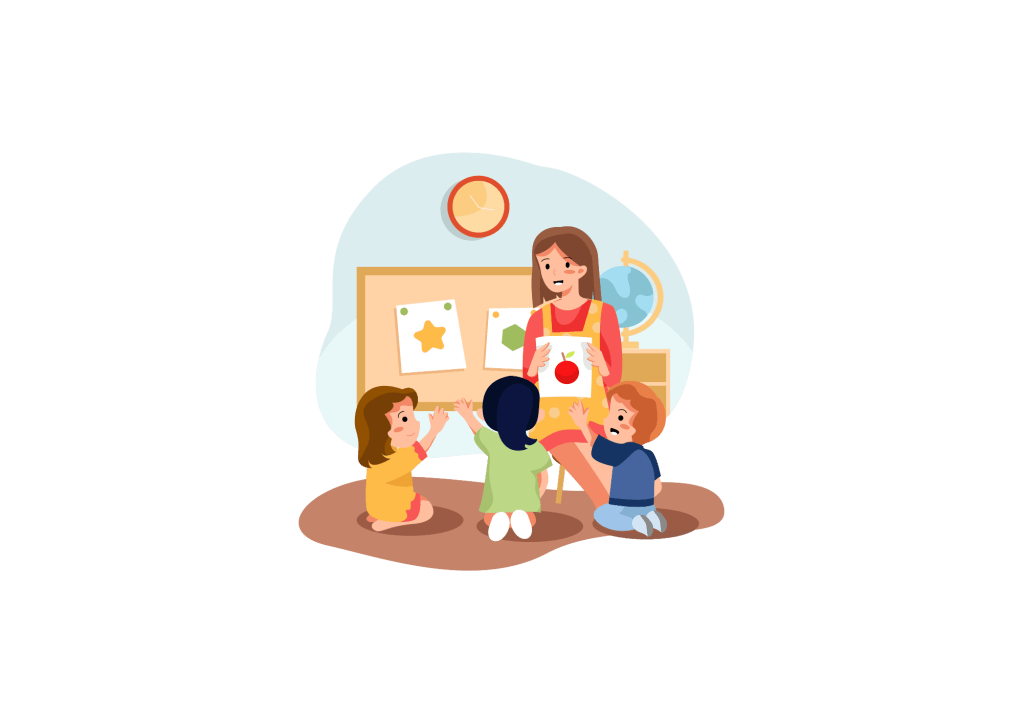
In our journey to becoming more effective educators, understanding how people learn is key. We’ve already explored the initial stages of Gagne’s Nine Events of Instruction. Now, let’s dive into the next three crucial steps: presenting the content, providing learner guidance, and eliciting performance (or practice).
1. Presenting the Content: It’s All About That Vital 20%
Presenting content is all about how you share information. Think demonstrating, explaining, and carefully structuring your lesson. This is where your “teacher talk” comes in, breaking down complex ideas and scaffolding learning.
Now, you might be thinking, “Wait, I thought student-centered learning was the goal!”. Absolutely! Remember the 80/20 rule: aim for presenting information only 20% of the time, dedicating the rest to student practice. That 20% is vital. It sets the stage for everything else.
Warm Language is Your Superpower
Want to take your instruction to the next level? Embrace “warm language.” Ken Bain’s research on the best college teachers revealed that their ability to communicate with warmth was a key attribute.
So, what is warm language? It’s about sharing ideas with enthusiasm and helping students anticipate future understanding. Think storytelling! Don’t just present dry facts; draw your students in.
Example:
Instead of: “Goldilocks went to the house. She tasted the porridge.”
Try: “Once upon a time, there was a girl named Goldilocks! She was skipping through the forest when suddenly, she stopped. What did she see? A large house!”
See the difference? Warm language creates engagement and makes learning memorable. Use it when explaining grammar, vocabulary, or any concept!
2. Providing Learner Guidance: From Sage on the Stage to Guide on the Side
Now, it’s time to shift gears. You’re no longer the sole fountain of knowledge. Instead, become a facilitator, a helper, a “guide on the side.”
This stage is about providing assistance as learners recall, use, and apply the information you’ve presented. Think guided practice! Encourage students to interact with the material, make mistakes, and work together to understand the rules and nuances of the subject.
As Benjamin Bloom suggested, get students to think and examine critically. Encourage collaborative activities where they can learn from each other with your support.
3. Eliciting Performance: Time to Shine (and Assess!)
This is where students demonstrate their understanding. It’s a blend of practice and evaluation. Think independent practice!
Give students the opportunity to show you what they’ve learned. This could be a test, a presentation, a group project, or a simple Q&A session.
Your role shifts again, from presenter and coach to evaluator. You’re assessing their knowledge and competence.
The Big Picture: A Transfer of Knowledge
These three events are interconnected. They all involve:
- Direct interaction with the material.
- A transfer of information from teacher to student.
Think of it like passing a baton:
- You are initially in charge of the information.
- You and your students work together to understand it.
- You release the information and allow students to use it independently.
By mastering these three events – presenting content effectively, providing thoughtful guidance, and eliciting performance – you can create engaging and effective learning experiences for your students.
You’re a smart Banana! *sticks gold star on your forehead*
 Teacher Lizzy
Leave a comment