

Scaffolding in Language Learning: Building Bridges to Understanding
In the world of language education, effective communication is key. We’ve previously explored the power of body language and teacher talk in making language accessible. Now, let’s dive into another essential technique: scaffolding.
What is Scaffolding?
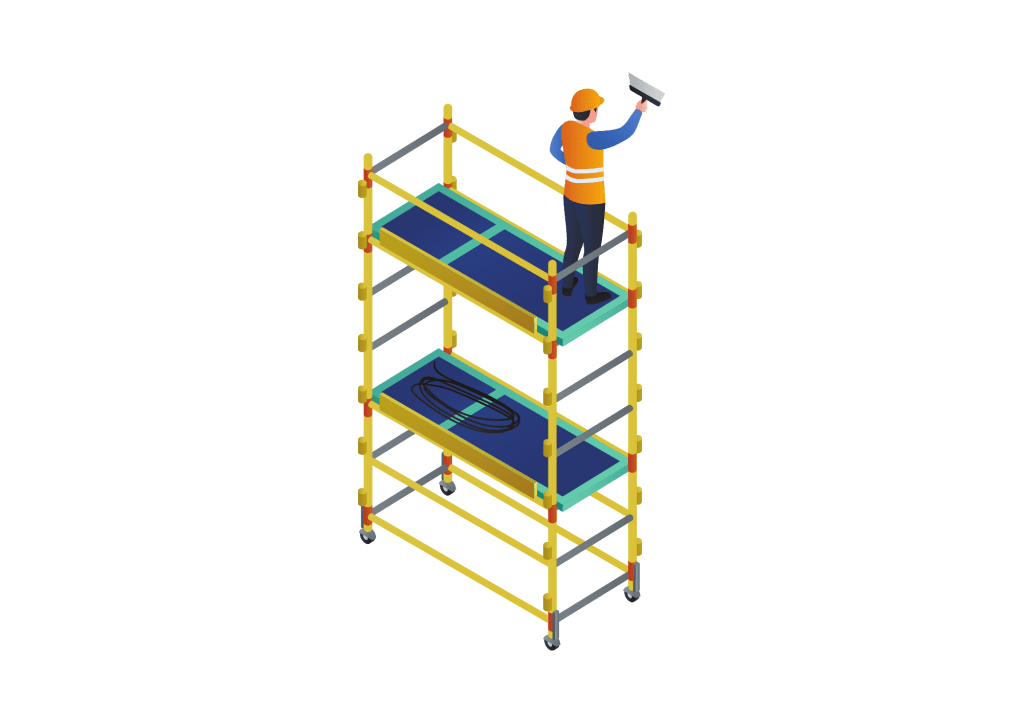
The term “scaffolding” comes from construction. Just as scaffolds provide a temporary structure for workers building a structure, scaffolding in education provides temporary support to help learners grasp complex concepts. It’s all about creating opportunities for students to learn step-by-step, building upon foundational knowledge to tackle more challenging tasks.
The Core Principle: Model, Guide, Practice
A key principle of scaffolding is breaking down the learning process into manageable stages:
- Model the Behavior: Before students can perform a complex task, they need to see how it’s done. This involves demonstrating the skill and breaking it down into smaller, understandable steps.
- Guided Practice: After modeling, guide students through the process with clear instructions and support. Provide sample sentences or examples, and work through the steps together.
- Independent Practice: Once students have a solid foundation, they can try the task independently. This allows them to apply what they’ve learned and build confidence.
Scaffolding in Action: Teaching the Passive Voice
Let’s illustrate scaffolding with an example: teaching advanced students how to use the passive voice.
- Modeling: Start by showing examples of the passive voice in real-world contexts. Break down the process into steps:
- Step 1: Identify the object in an active sentence and make it the subject of the passive sentence.
- Step 2: Add the appropriate “be” verb (focusing on one tense, like the present tense, initially).
- Step 3: Add the past participle of the main verb.
- (Optional) Step 4: Add the original subject using the “by” phrase.
- Guided Practice: Provide clear instructions and sample sentences. Have students practice each step: finding the object, adding the “be” verb, and adding the past participle.
- Independent Practice: Allow students to create their own sentences in the passive voice.
Scaffolding is Recursive
Remember, scaffolding isn’t a one-way street. It’s a recursive process. If students struggle during independent practice, revisit the modeling stage or provide more guided practice. Break down the task further, offer additional examples, or work through more exercises together. The goal is to provide the right level of support at each stage, gradually fading assistance as students become more confident.
The Performance of Teaching
When combined with body language and teacher talk, scaffolding becomes a powerful tool for language teachers. It’s about reaching learners through a deliberate use of body, voice, and message. To make language learning clear, understandable, and enjoyable, a teacher must be, at least in part, an actor, carefully crafting the learning experience to maximize student success.
You’re a smart Banana! *sticks gold star on your forehead*
 Teacher Lizzy
Leave a comment